The Growing Demand for Microsoft Dynamics 365 Services
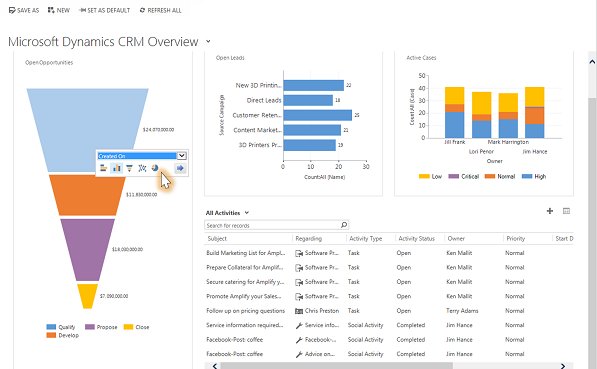
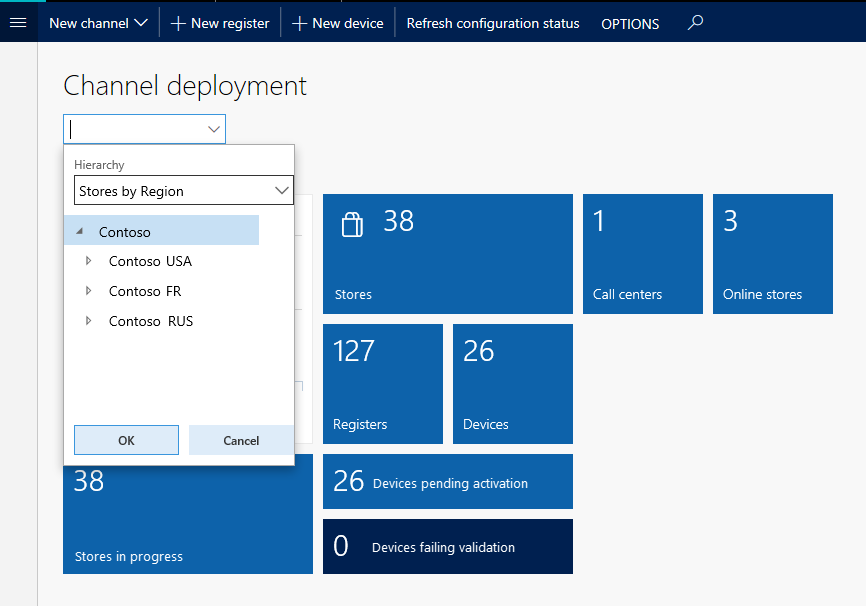
Across industries, organizations are accelerating their investments in Microsoft Dynamics 365 services to modernize operations, unify customer data, and gain real-time financial visibility. From sales automation in Dynamics 365 CRM to enterprise-level management in D365 Finance and D365 SCM, companies are relying on the platform to drive digital transformation.
However, as adoption increases, one strategic question continues to surface:
Should businesses choose customization or configuration when implementing Dynamics 365?
Understanding the difference between D365 Customization vs Configuration is no longer optional—it directly impacts scalability, cost, system performance, and long-term flexibility.
Key Dynamics Solutions explores the latest industry perspective on this critical decision.
What is Configuration in Dynamics 365 (D365)?
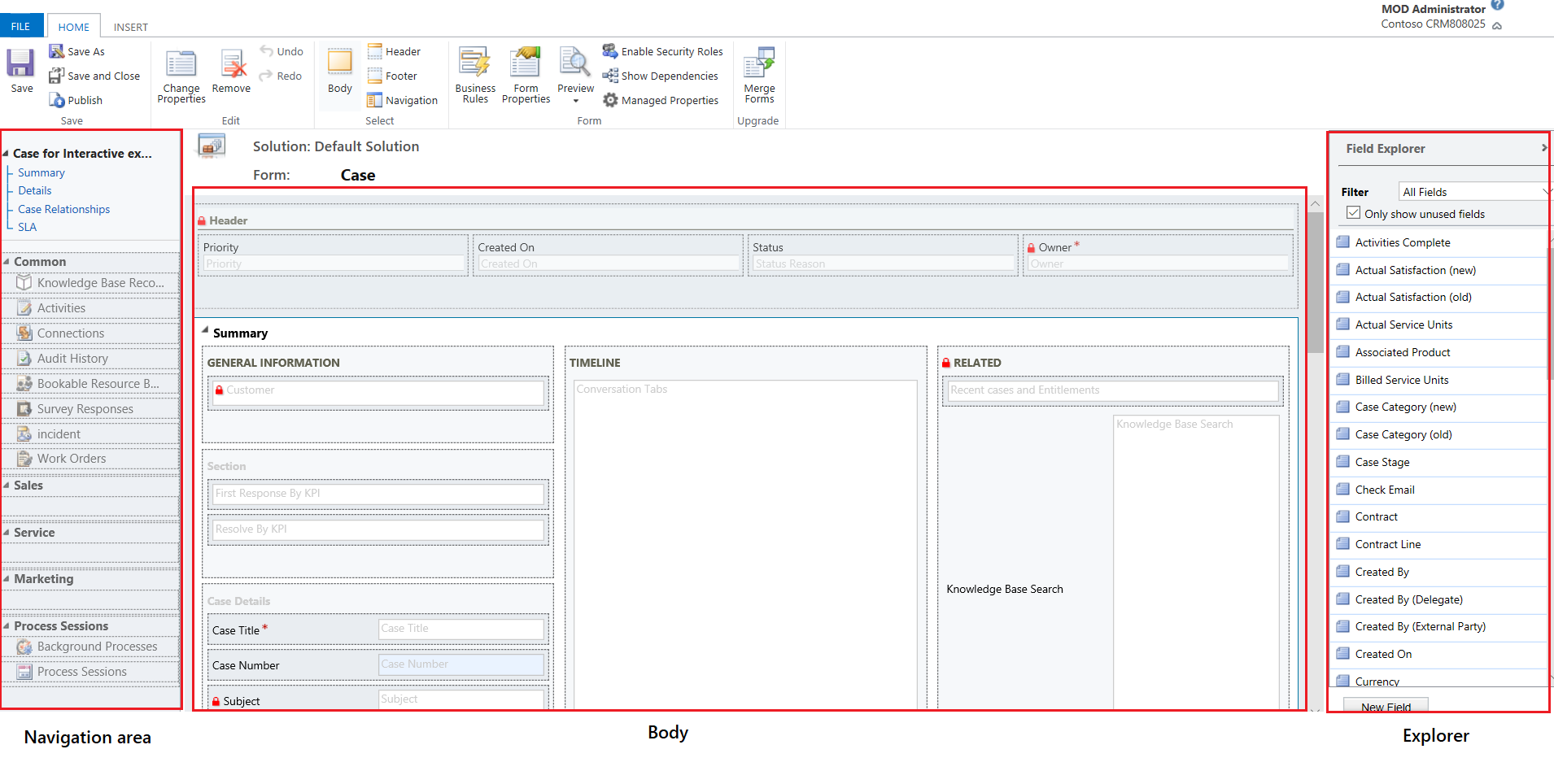
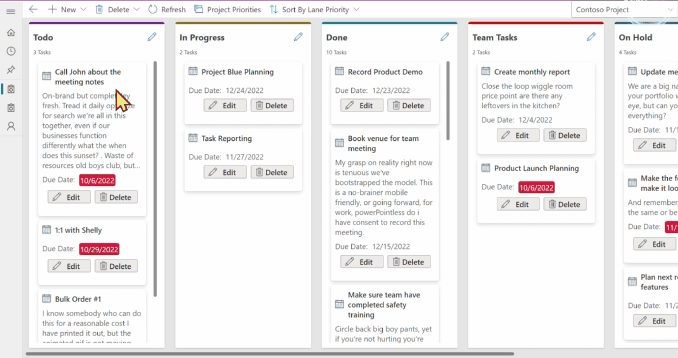
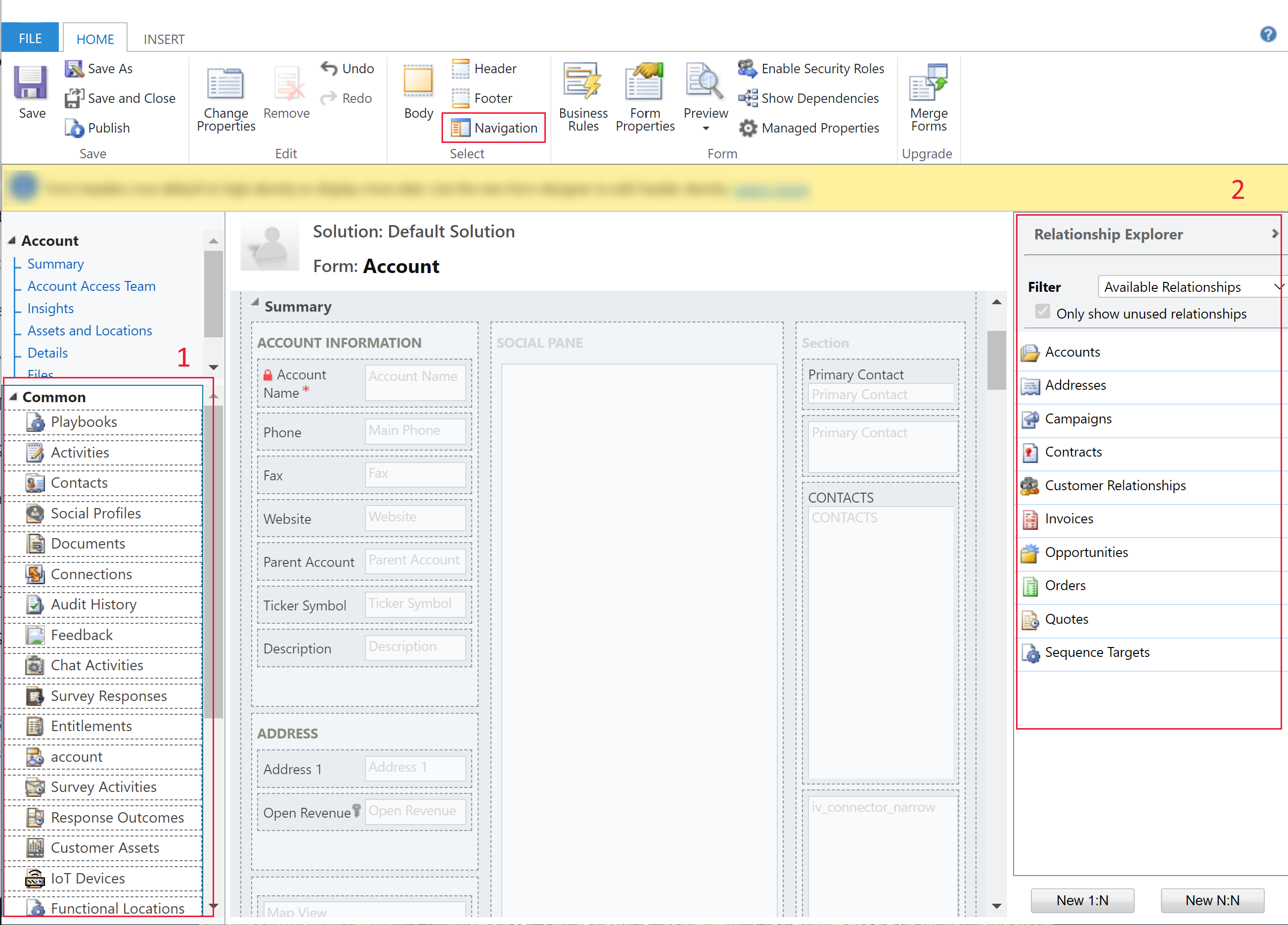
Configuration in Dynamics 365 (D365) refers to tailoring the platform using built-in tools—without writing complex custom code. It involves adjusting settings, modifying forms, creating workflows, adding fields, and setting security roles within the system’s standard framework.
Typical configuration activities include:
Adding custom fields to CRM forms
Creating business process flows
Setting up approval workflows in D365 Finance
Configuring modules inside D365 SCM
Adjusting dashboards and reports
Configuration is generally:
Faster to deploy
Cost-effective
Upgrade-friendly
Easier to maintain
Organizations leveraging Microsoft Dynamics 365 services increasingly prefer configuration-first strategies because Microsoft continuously updates the platform. Systems that rely heavily on configuration adapt more smoothly to new releases.
For many businesses using Dynamics 365 CRM, configuration alone can support sales automation, lead tracking, and customer service enhancements without heavy development.
What is Customization in D365?
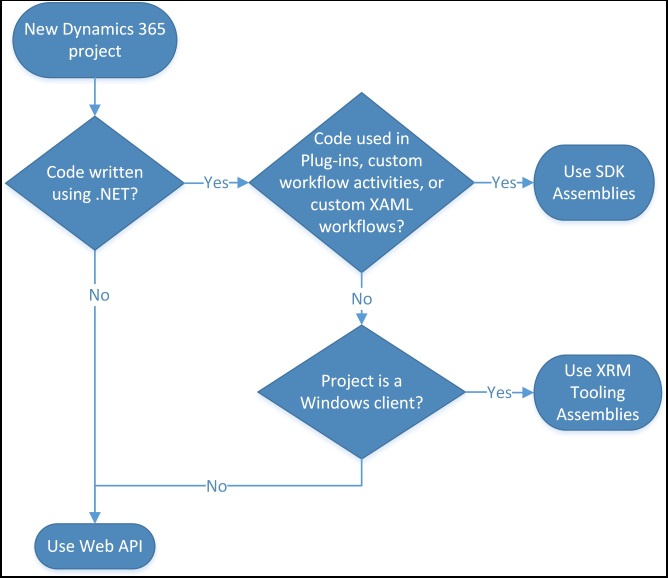
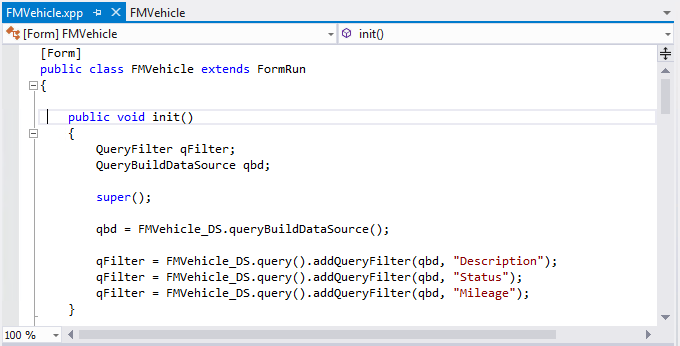
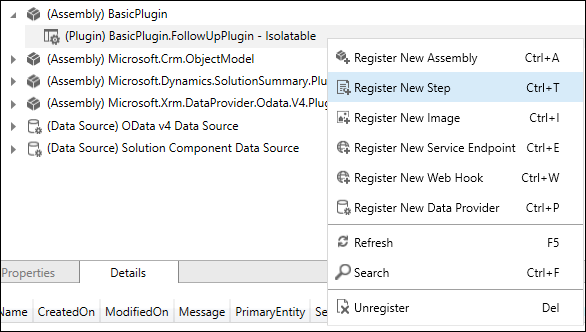
Customization, on the other hand, involves altering the platform beyond its out-of-the-box capabilities. This may include:
Writing plugins and extensions
Developing custom integrations
Creating unique business logic
Modifying standard workflows with code
Building industry-specific modules
Customization becomes essential when:
Business processes are highly unique
Industry compliance requires tailored workflows
Advanced automation is necessary
Integration with legacy systems is complex
In enterprise deployments of D365 Finance and D365 SCM, customization is sometimes unavoidable, especially for manufacturing, logistics, or regulated sectors.
However, excessive customization can lead to:
Higher implementation costs
Longer deployment timelines
Upgrade complications
Increased maintenance efforts
The latest best practice emerging in Microsoft Dynamics 365 services is a balanced approach: configure wherever possible, customize only when truly required.
D365 Customization vs Configuration: Strategic Comparison

When comparing D365 Customization vs Configuration, decision-makers should consider the following:
1. Cost Impact
Configuration typically reduces upfront and long-term costs. Customization increases development and testing expenses.
2. Upgrade Readiness
Configuration aligns with Microsoft’s update cycle. Customization may require rework during major version updates.
3. Scalability
Configured systems scale more easily across departments. Customizations may require redesign as operations grow.
4. Performance
Over-customized environments may experience performance bottlenecks, particularly in large D365 SCM implementations.
5. Business Flexibility
Customization allows deeper alignment with unique processes—but may limit agility if changes are frequent.
Industry experts now recommend a “configuration-first, customization-second” framework. This ensures that businesses leverage the powerful native capabilities of Dynamics 365 CRM, D365 Finance, and D365 SCM before investing in heavy development.
How This Impacts Finance and Supply Chain Teams?


In financial operations, configuring D365 Finance enables automated reporting, budgeting workflows, and compliance tracking without altering the core architecture.
Within supply chain environments, D365 SCM supports:
Inventory optimization
Demand forecasting
Warehouse automation
Vendor collaboration
Many of these capabilities can be enabled through configuration rather than customization.
The trend among organizations working with experienced Microsoft Dynamics 365 services providers is to reduce technical debt by minimizing custom code and relying on standardized modules wherever possible.
Key Dynamics Solutions emphasizes structured requirement analysis before recommending customization. This prevents unnecessary complexity and ensures long-term ROI.
The Latest Industry Shift: Low-Code and Intelligent Configuration
A notable trend reshaping D365 Customization vs Configuration is the rise of low-code platforms. Tools within the Power Platform ecosystem now allow advanced automation and application development without deep programming.
Businesses using Dynamics 365 CRM can:
Automate processes using Power Automate
Build lightweight apps with Power Apps
Create real-time dashboards using Power BI
These tools blur the line between configuration and customization, offering powerful flexibility while remaining upgrade-safe.
As Microsoft expands AI-driven features across D365 Finance and D365 SCM, organizations are encouraged to explore native functionality before extending the platform.
Conclusion
The debate around D365 Customization vs Configuration is not about choosing one over the other—it’s about selecting the right balance.
Configuration in Dynamics 365 (D365) provides agility, cost efficiency, and smoother upgrades. Customization offers depth, precision, and tailored innovation when business demands exceed standard capabilities.
Companies that strategically evaluate their operational needs—especially in Dynamics 365 CRM, D365 Finance, and D365 SCM—are better positioned to maximize value from Microsoft Dynamics 365 services.
Key Dynamics Solutions continues to guide enterprises toward sustainable, scalable implementations that support long-term growth without unnecessary technical risk.
FAQs
1. What is the main difference between D365 customization and configuration?
Configuration uses built-in tools without coding, while customization involves developing custom code or extensions to modify system behavior.
2. Is configuration enough for most businesses?
For many organizations using Dynamics 365 CRM, D365 Finance, or D365 SCM, configuration is sufficient. Customization is needed only when processes are highly specialized.
3. Does customization affect system upgrades?
Yes. Custom code may require testing and adjustments during Microsoft updates, while configuration typically aligns smoothly with upgrades.
4. Which is more cost-effective: customization or configuration?
Configuration is generally more affordable and easier to maintain over time compared to customization.
5. How do I decide the right approach for my business?
A structured requirement assessment by experienced Microsoft Dynamics 365 services experts—such as Key Dynamics Solutions—helps determine the ideal balance between customization and configuration.
